European Blackjack review
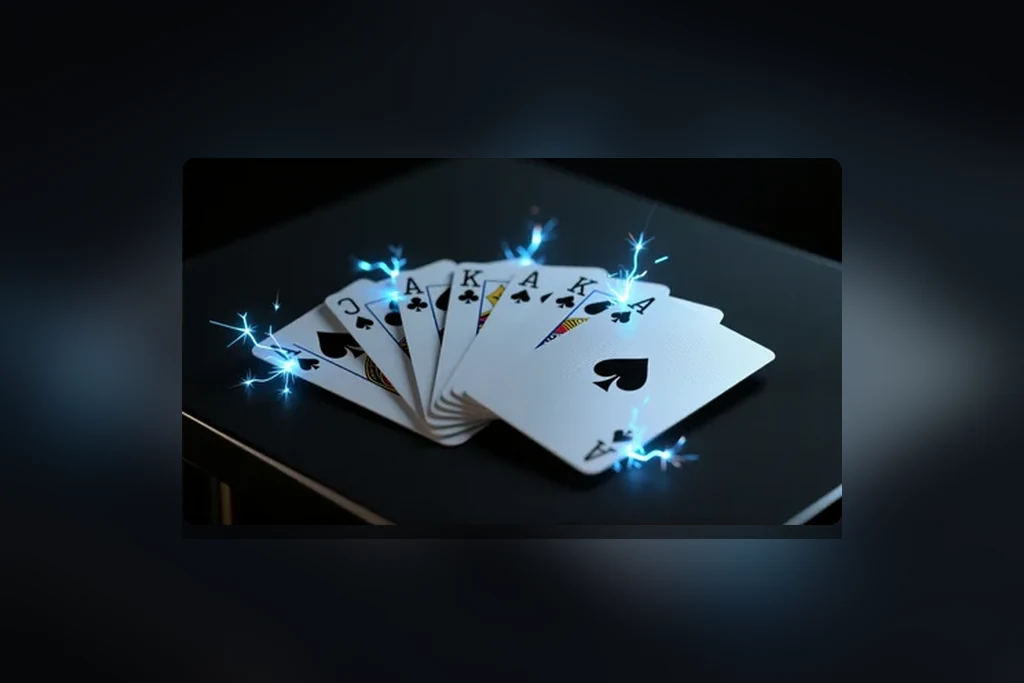
European Blackjack is twenty-one played under a rule that changes how the table feels: the dealer takes no second card until you have finished acting, so your split or double can lose to a blackjack you never got to see. The aim is still to finish nearer twenty-one than the dealer without going over, and the whole game is a sequence of small decisions made with incomplete information.
What European Blackjack is
One player against the house, dealt by BGaming, with the familiar layout of a main bet, a double zone, split boxes and an insurance line. You receive two cards face up, the dealer shows one, and the hand is resolved by comparing totals. The European part is procedural rather than visual: because the dealer's second card stays face down until the players are done, the table plays differently from the American version where a blackjack is checked first. That single detail is worth understanding before the first hand.
Who it suits
Players who like arithmetic with a definite answer tend to stay at this table, because every hand has a correct response that can be learned. The rules are short enough to learn in a sitting and deep enough to reward knowing them, which is rare in a casino product. It does not suit anyone who wants variety, a theme or a bonus feature, because every hand looks much like the last one.
How a hand resolves
The bet is placed, two cards arrive for you and two for the dealer with one face down, and then you act. You may stand, take another card, double your stake for a single card, or split a matching pair into two hands that are played separately. Insurance becomes available against a dealer ace. When every hand is finished, the dealer reveals the hidden card and draws to a fixed rule, and the totals decide who is paid.
What you actually decide
Hit, stand, double or split, and whether the insurance line is worth taking against an ace. Each of those is a small bet on the composition of what is left in the shoe, not a guess about luck. Because the dealer's hidden card is not checked in advance, doubling and splitting carry a risk the American table does not have, and that is exactly where discipline shows up.
Rules and payouts at this table
Winning a hand pays even money, a two-card twenty-one pays a premium that the table's own rules screen states, and insurance settles at a rate printed beside the line. A push returns your stake and nothing more. The dealer draws to a fixed threshold, so the only open question on any hand is how your total compares, and the payout schedule never changes between hands.
| Element | What it does | What to check |
|---|---|---|
| Hidden dealer card | Stays face down until every player hand is finished | That a split or double can meet an unseen blackjack |
| Double down | Doubles the stake for exactly one more card | Which totals make the extra card worth it |
| Split | Turns a pair into two hands, each played and paid apart | The table rule on splitting again after a split |
| Insurance | A side bet against the dealer holding a blackjack | The settlement rate printed beside the line |
| Dealer draw rule | The fixed threshold the dealer must reach | The rules screen, since the threshold is not a choice |
Two numbers matter more than any feeling at the table: your total and the dealer's visible card. Patterns built on win streaks, on the colour of the last card or on how many hands you have lost do not describe the shoe, and they cost money when they start changing your decisions. Basic strategy charts exist precisely because the correct action for each combination is a known answer rather than an opinion.
Stake, pace and volatility in a card game
Volatility here is low by casino standards: most hands return something or lose a single unit, and the swings come from the occasional double or split rather than from a multiplier. The pace is set by how fast you press, so a hand every few seconds is possible and an hour can hold a great many of them. That makes the stake per hand the real variable — a comfortable unit is one you can lose twenty times in a row without changing how you play.
- Set the unit before the first hand, not after a losing run.
- Learn the chart for hard totals before touching the double zone.
- Take insurance rarely and only when the count of cards supports it.
- Never raise the unit to recover a hand you have just lost.
- Leave the table at a fixed number of hands, win or lose.
Demo play and the first real session at a blackjack table
Free play is genuinely useful here, and it is the one game on this site where rehearsal changes the result: the rules are fixed, so what you learn in a free shoe transfers directly to the paid one. Practise the awkward combinations — a pair of eights, a soft eighteen, a five against a dealer's six — until the answer arrives without counting on your fingers. Then take a real table at the minimum, with a unit you have already used in practice, and play the same way you did there.
- Play a free shoe until the basic decisions feel automatic.
- Write the three combinations you keep getting wrong on a note.
- Start real play at the table minimum for a full session.
- Judge the session by decisions made well, not by the balance.
Where European Blackjack fits in the 7Slots lobby
Among the 7Slots table games this is the one for a player who wants to think, and it rewards an hour of attention more than an hour of clicking. It belongs at the centre of a session rather than at the edge of one, because the decisions come too quickly to be a side activity. Anyone who wants the same cards at a faster tempo should look at the live versions in the lobby, where the dealing is done for you and the clock is somebody else's.
At the level of a single hand this game is solved, so the only edge on offer is knowing the right action and applying it every time. Keep the unit flat, keep the chart in mind, and the table becomes a test of consistency rather than of nerve.