Crazy Time Bankroll and Limits: Staying in Control
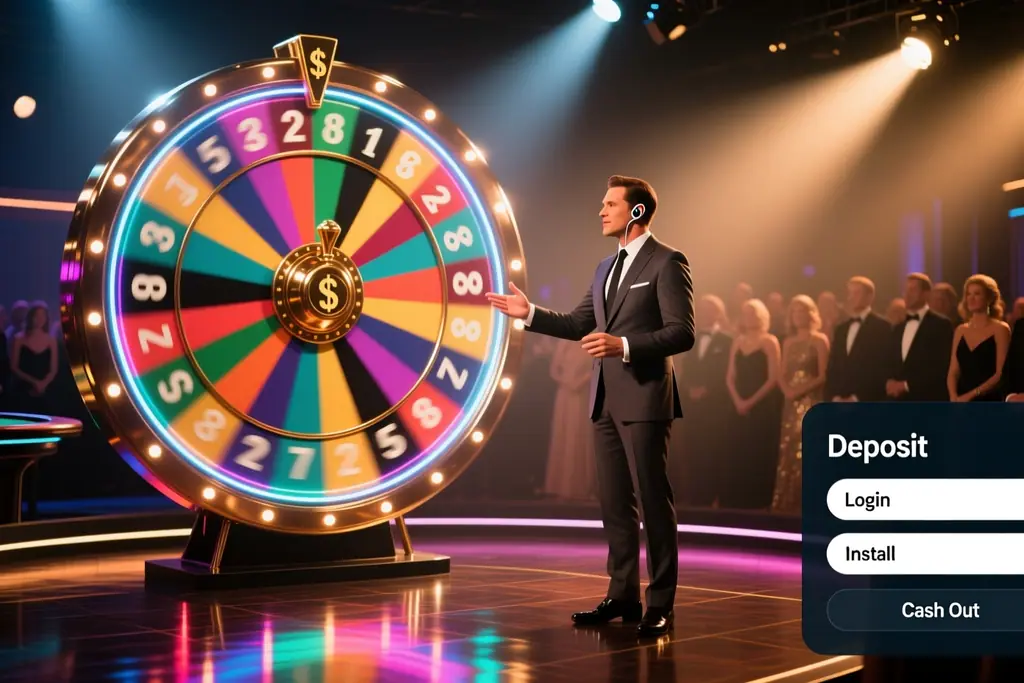
Crazy Time is one of the most engaging formats in the live casino, which makes it one of the easiest places to lose track of a session. The rounds are short, the show is designed to hold attention, and the bonus rounds create genuine anticipation. This guide sets out a simple framework for playing it within a budget.
Why This Format Needs a Budget
Each spin takes only a few seconds, so the number of decisions per hour is very high. The show element holds attention in a way a card table does not, which makes time feel shorter than it is. Bonus rounds create anticipation that can encourage larger stakes without any change in frequency. A budget set in advance is the only thing that keeps the pace from setting the stake.
Published table limits exist for a reason, and picking a table whose minimum fits your budget is a basic skill of its own.
A Simple Spin Budget Method
Decide the total amount for the session, then decide how many spins you want to play. Dividing the first number by the second produces a stake per spin that is affordable by construction. If the resulting stake sits below the table minimum, the table is too expensive for the budget and a different one is the answer. This method removes the guesswork and keeps the stake constant through the session.
Table games reward patience: knowing the rules and the payout schedule beats any hunch about the next hand.
Setting a Session Loss Cap
A loss cap defines the point at which the session ends, and it should be decided before the first spin. Because bonuses are rare, a session without one is entirely normal, and the cap is what makes that affordable. Reaching the cap is a completion of the session rather than a failure, and leaving at that point is the plan working. Never raise the cap mid-session; that is the moment the framework stops protecting you.
Adjusting your stake to your budget keeps a session enjoyable whether the reels are hot or cold.
| Control | How to Set It | What It Protects | Typical Figure |
|---|---|---|---|
| Session budget | Before you start | Total spend | What you can afford |
| Spins planned | Before you start | Session length | 50–200 spins |
| Stake per spin | Budget ÷ spins | Consistency | Below table maximum |
| Loss cap | Before the first spin | Stops chasing | A set amount |
| Time limit | Session timer | Prevents drift | A set number of minutes |
| Deposit limit | Account settings | Total risk | Daily or weekly |
Using Time Limits and Reminders
A session timer turns an open-ended show into a bounded one, which matters in a format without natural pauses. Reality-check reminders interrupt continuous play and give you a moment to compare actual spend against the plan. Both tools are most useful at exactly this kind of fast, engaging game. Setting them before you join is easier than remembering to set them once the show is running.
Taking regular breaks is a small thing that makes a long session easier to keep track of and enjoy.
- Divide the session budget by the planned number of spins.
- Check the result against the table minimum before joining.
- Set a loss cap before the first spin and keep it.
- Use a session timer; the show has no natural pauses.
- Never raise stakes to try to trigger a bonus.
- Treat the base game as the show and bonuses as extras.
What Not to Do
Do not increase stakes in an attempt to trigger a bonus round, because the segments are fixed by the game’s maths. Do not chase a losing session with larger bets; the spins are independent and the next one owes you nothing. Do not play without a stake plan, because at this pace a stake plan is the only thing holding the session together. Do not continue past your limit on the reasoning that a bonus feels close.
Reading the small print before you deposit avoids the most common disappointment: assuming a bonus is withdrawable straight away.
Playing It as a Show
The honest way to approach Crazy Time is as entertainment with a ticket price, which is what the format really is. Seen that way, the base game is the show and the bonuses are the plot twists. A session that stays inside its budget is a session you can repeat, which is the definition of sustainable fun. Deposit limits in the account settings exist to make that repeatability easy.
Always confirm the minimum and maximum limits for your chosen method in the cashier before starting a transfer.
Deposit limits, session timers and self-exclusion tools are the practical controls that keep play recreational.
Casino games are entertainment with a built-in house edge, and treating them that way is what keeps play sustainable.
Encryption protects your data in transit, but the strongest protection is still a budget you commit to in advance.
The most useful habit in any casino game is a plan written down before you start, not one invented mid-session.
Comparing games and stakes before you commit is a five-minute habit that pays off across a whole session.
Live tables stream from real studios, so the pace is driven by a human dealer and the round closes when the dealer says it closes.
There is no hidden pattern to exploit; the value of any game lies in how much you enjoy it, not in a system.
A licensed operator publishes its licence details and its terms, and both are worth a look before you deposit.
Crazy Time rewards a plan more than it rewards enthusiasm. Divide your budget into spins, set a loss cap and a timer before you join, and treat the bonus rounds as extras that occasionally appear rather than outcomes you can push towards.