Baccarat Bankroll Management: Hands, Limits and Discipline
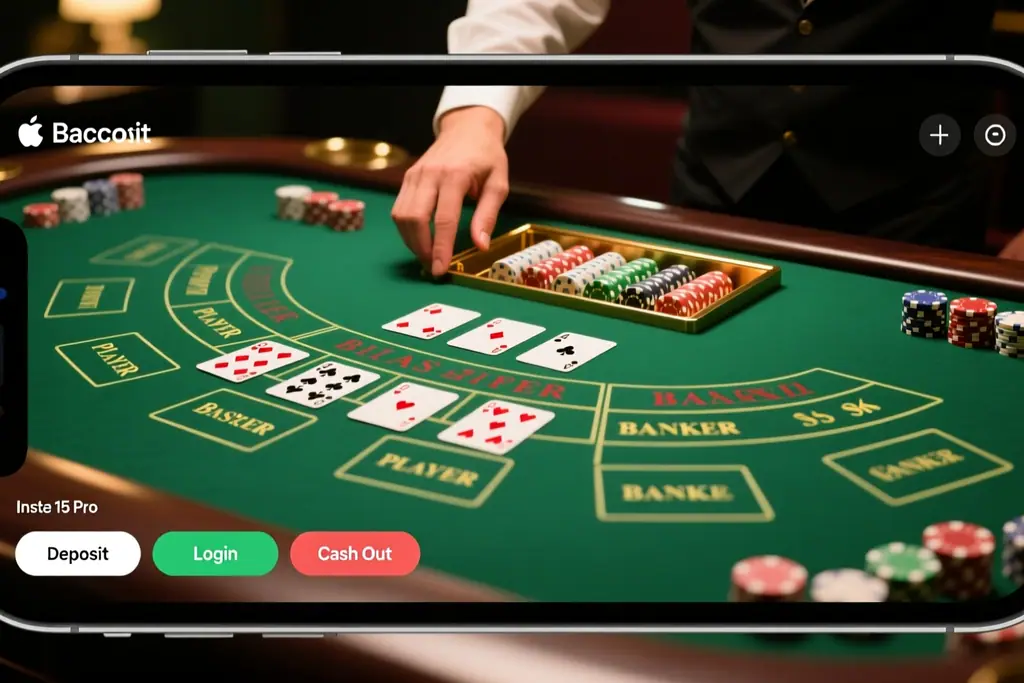
Baccarat’s low house edge can create a false sense of safety, because a game with a small edge still consumes a bankroll over enough hands. What protects a session is not the edge but the structure: how much you bring, how much you stake per hand, and how many hands you plan to play. This guide sets out that structure.
Start With a Budget, Not a Target
A budget is the amount you are willing to spend on entertainment, decided before you sit down. A target win is a figure you hope to reach, and chasing it is the most common way a session goes wrong. Deciding the budget first means every later choice, table and stake, follows from a fixed number. That order is what keeps a baccarat session from growing in the middle of play.
The most useful habit in any casino game is a plan written down before you start, not one invented mid-session.
Matching Stake to Table Minimum
Baccarat tables publish a minimum bet, and your budget should cover a comfortable number of minimum hands. As a rough guide, a budget of at least twenty to thirty minimum bets allows for a normal run of results. If a table’s minimum eats your budget in a handful of hands, a lower-limit table is the sensible choice. Stretching to reach a higher-limit table is the opposite of bankroll management.
Published table limits exist for a reason, and picking a table whose minimum fits your budget is a basic skill of its own.
Setting a Loss Limit and Hand Count
A loss limit defines the point at which the session ends, regardless of how it feels at the time. A planned number of hands gives the session a natural finish, which suits baccarat’s fast rhythm. Both limits should be decided before the first hand and written down, because memory is unreliable under pressure. Reaching either limit is a valid end to a session, not a defeat.
Playing a free demonstration table is the fastest way to learn the flow of chips, cards and payouts before staking real money.
| Element | Set Before | Typical Approach | Purpose |
|---|---|---|---|
| Budget | You start playing | Fixed entertainment spend | Caps total exposure |
| Table minimum | Choosing a table | Budget ÷ 20–30 hands | Shapes session length |
| Stake | First hand | Flat, never escalated | Keeps maths readable |
| Loss limit | First hand | A set figure | Defines the stopping point |
| Hand count | First hand | A planned number | Gives the session an end |
| Deposit limit | Account settings | Daily or weekly cap | Limits total risk |
Why Progressions Break Bankrolls
Progressions increase the stake after a loss, which means the largest bets arrive during the worst runs. A run of several losses is entirely normal in a near-even game, and it can exhaust a budget quickly under a progression. Table maximums often prevent the oversized recovery bet the system relies on anyway. Flat staking avoids the whole problem by keeping every hand the same size.
Comparing games and stakes before you commit is a five-minute habit that pays off across a whole session.
- Set a budget before choosing a table or a stake.
- Ensure the budget covers 20–30 minimum hands.
- Write down a loss limit and a hand count first.
- Keep stakes flat; avoid any progression.
- Use deposit limits and session reminders.
- Leave when you reach a limit, without negotiating.
Using Account Tools
Deposit limits cap how much can be added to your account in a set period, and they are adjustable in the settings. Session reminders and reality checks interrupt continuous play, which is useful at a table that never pauses. Self-exclusion is available for when play stops being recreational. Independent support services offer free, confidential help, and their details are easy to find.
Table games reward patience: knowing the rules and the payout schedule beats any hunch about the next hand.
The Long View
Baccarat’s low edge means a bankroll lasts longer than at many other games, but it does not mean it lasts indefinitely. Over many hands, the house edge asserts itself, which is why session limits matter more than any bet selection. The realistic aim is an enjoyable session inside a planned budget, not a profit the maths will not support. A player who leaves at their limit can return another day, which is the whole point of managing a bankroll.
House edge differs between bets at the same table, so a quick look at the rules screen usually points to the smarter option.
Independent help services offer free, confidential support, and their details are easy to find online.
Flat betting keeps the swings readable, whereas aggressive progressions can burn a bankroll in a handful of rounds.
Casino games are entertainment with a built-in house edge, and treating them that way is what keeps play sustainable.
Adjusting your stake to your budget keeps a session enjoyable whether the reels are hot or cold.
Taking regular breaks is a small thing that makes a long session easier to keep track of and enjoy.
There is no hidden pattern to exploit; the value of any game lies in how much you enjoy it, not in a system.
Fairness in modern casino games comes from certified random number generators, not from streaks or intuition.
Baccarat bankroll management comes down to three numbers decided in advance: the budget, the stake per hand, and the point at which you stop. Baccarat’s low edge makes those numbers go further, but only if a flat stake and a firm limit keep the session inside the plan you set.