Live Casino Limits and Bankroll: A Practical Approach
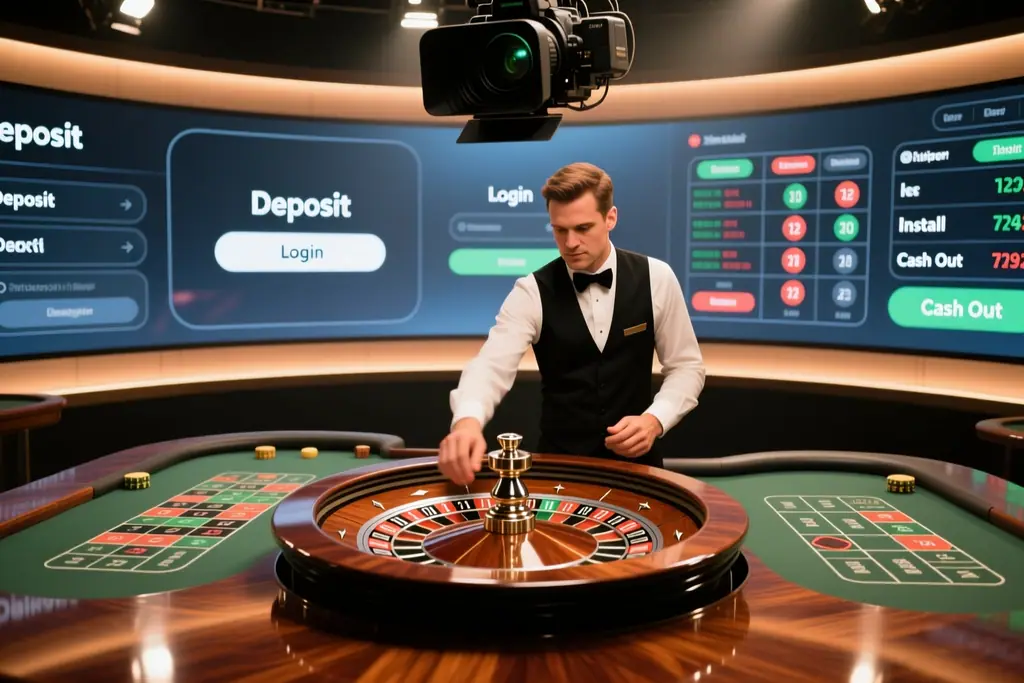
Live casino play differs from slot play in one important way: the rounds keep coming whether or not you are ready. That makes limits and bankroll management more, not less, important. This guide looks at how to set a workable budget, how to match it to a table’s minimum bet, and how to keep a live session under control.
Why Bankroll Management Matters More Live
Live rounds run continuously, so there is no natural pause between spins or hands. The dealer controls the pace, which means the number of decisions per hour is higher than at most RNG games. Without a defined budget, a fast format can turn a planned session into an unplanned one. Setting limits in advance is the only reliable way to keep the pace from deciding your stake for you.
The most useful habit in any casino game is a plan written down before you start, not one invented mid-session.
Matching Your Budget to Table Limits
Every table publishes a minimum and maximum bet, and the minimum is the figure that shapes your session. As a rule of thumb, your session budget should comfortably cover a reasonable number of minimum bets. If a table’s minimum forces you below a workable number of rounds, a lower-limit table is the better choice. Higher-limit tables exist for higher budgets, and there is no advantage in playing above your comfort zone.
Comparing games and stakes before you commit is a five-minute habit that pays off across a whole session.
Session Length, Timers and Breaks
A session timer turns a vague intention into a decision, because it defines when you stop rather than when you run out. Short breaks between hands reduce the chance of decisions made purely out of momentum. Writing down a loss limit and a time limit before you join a table is a small act that pays off immediately. If a table is running hot or cold, the limits you set still apply; that is the point of setting them in advance.
House edge differs between bets at the same table, so a quick look at the rules screen usually points to the smarter option.
| Control | What It Does | Where to Set It | Why It Helps |
|---|---|---|---|
| Deposit limit | Caps money added daily or weekly | Account settings | Limits total exposure |
| Session timer | Reminds you of elapsed time | In-session tools | Breaks continuous play |
| Loss limit | Defines your stopping point | Your own plan | Prevents chasing losses |
| Table minimum | Sets the smallest bet | Table information | Shapes session length |
| Reality check | Pops up mid-session | Account settings | Interrupts autopilot |
| Self-exclusion | Blocks play for a period | Account settings | Protects when needed |
Deposit Limits and Account Tools
Deposit limits cap how much you can add to your account in a given period, and they are adjustable in the account settings. Session reminders and reality checks are designed for exactly the kind of continuous play a live table creates. Self-exclusion is available if play stops being recreational, and it is a practical tool rather than a last resort. Independent help services offer free, confidential support, and their details are easy to find online.
Because live games cannot be paused, a session budget set before you sit down is the simplest way to stay in control.
- Let your budget decide the table, not the other way round.
- Ensure your budget covers a workable number of minimum bets.
- Set both a loss limit and a time limit before you join.
- Use deposit limits and session reminders in your account.
- Prefer flat stakes over any loss-chasing progression.
- Stop when you reach a limit, regardless of how the table feels.
Staking Approaches at Live Tables
A flat stake keeps a live session readable and makes the budget last a predictable number of rounds. Progressions that increase stakes after a loss raise the amount at risk sharply and are the fastest route to breaking a budget. At blackjack, doubling and splitting increase the money in play, so they belong inside the budget rather than outside it. At roulette, outside bets produce steadier sessions than inside bets, at the cost of a lower payout.
Some live tables run side bets with a much higher house edge, so reading the table rules before you join is worth the minute it takes.
The Honest Bottom Line
Every live game carries a house edge, and no staking plan removes it over the long run. The realistic goal is an enjoyable session within a budget you chose calmly, not a profitable outcome you planned to force. Tracking your actual time and spend, even roughly, is more useful than tracking how close you are to a target win. Play that stays inside your limits is play you can repeat, which is the definition of sustainable entertainment.
A stable connection matters at live tables: a dropped stream can cost you a betting window, so wired or strong Wi-Fi is the safer choice.
If gambling stops being fun, pausing your account is a decision no one should feel embarrassed about.
Casino games are entertainment with a built-in house edge, and treating them that way is what keeps play sustainable.
Live tables stream from real studios, so the pace is driven by a human dealer and the round closes when the dealer says it closes.
Live casino play rewards a plan made in advance. Match your budget to a table’s minimum, set a loss limit and a timer before you join, and use the account tools that exist for continuous formats. Standing up at your limit is the one habit that makes live play repeatable and enjoyable.