Fast Games vs Slots: Which Format Suits Your Session
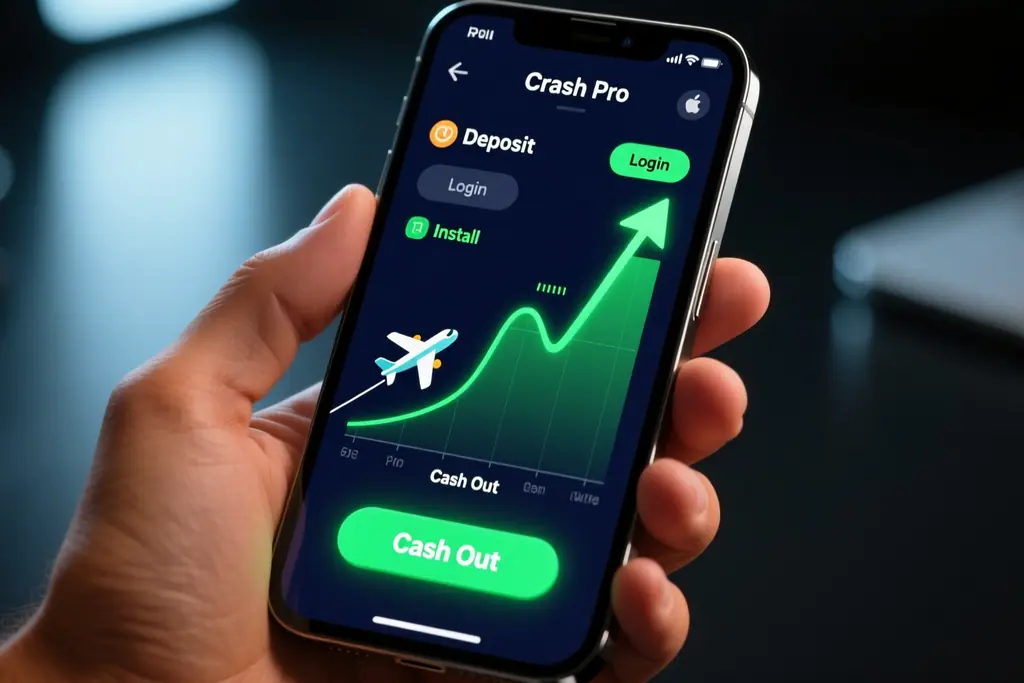
Fast games and slots both resolve quickly, but they ask different things of a player. A slot decides everything for you; a crash game hands you one live decision per round. A live table gives you even more control at a much slower pace. This comparison sets out the practical differences so you can pick the format that fits the session you have in mind.
Where the Decision Lives
In a slot, the player chooses the stake and the game decides everything else, spin after spin. In a crash game, the stake is fixed before the round but the exit decision happens in real time. In an instant win title, the player chooses a bet option and the round resolves immediately with no further input. More decisions per round means more attention required, not a better chance of winning.
There is no hidden pattern to exploit; the value of any game lies in how much you enjoy it, not in a system.
Pace and Decisions Per Hour
A slot at quick-spin can run several spins a minute, while a crash round often resolves in under ten seconds. Live table games are slower, with a natural pause between hands or spins. Pace is the main driver of how quickly a budget is consumed, which is why it belongs at the top of any comparison. A format that feels calm can still be expensive if the rounds never stop.
Because rounds are so quick, small stakes add up fast; a per-session loss cap is the practical guardrail.
Volatility and the Shape of a Session
Slots range from gentle, frequent payers to high-volatility titles with long dry spells. Crash games concentrate the outcome in a single cash-out decision, which produces a very different rhythm again. Instant titles tend to offer a spread of bet options with clearly different probabilities. Choosing a format is therefore partly a choice about the kind of swings you find tolerable.
Taking regular breaks is a small thing that makes a long session easier to keep track of and enjoy.
Bonus Rounds and Feature Frequency
Slots fund much of their appeal through bonus rounds, which arrive at intervals the maths model defines. Crash games have no bonus round: every result is a single decision and a single outcome. Instant titles occasionally add feature rounds, but the core loop remains a single resolution. If the wait for a bonus round is what you enjoy, slots are the format built for it.
Fast games suit short sessions, and setting a spin budget keeps the rapid pace from turning into an accidental marathon.
| Format | Pace | Player Decisions | Typical Rhythm |
|---|---|---|---|
| Low-volatility slot | Fast | Stake only | Steady, frequent small wins |
| High-volatility slot | Fast | Stake only | Long dry spells |
| Crash game | Very fast | Stake and cash-out | Single swing per round |
| Instant win | Very fast | Bet option only | Immediate outcome |
| Live table game | Moderate | Multiple per hand | Conversational, slower |
| Live game show | Fast | Bet per spin | Bonus-round anticipation |
Staking Across Formats
A flat stake works in all three formats and keeps a session readable regardless of pace. In crash games the exit target is as important as the stake, so the two should be decided together. In slots, matching the stake to volatility is the equivalent discipline. Across every format, the loss cap is what actually protects the session.
The most useful habit in any casino game is a plan written down before you start, not one invented mid-session.
- Slots decide for you; crash games give you one live decision.
- Pace is the biggest driver of how fast a budget is used.
- Crash games have no bonus round; slots do.
- Match slot stakes to volatility, and crash stakes to your target.
- Choose the format after setting the budget, not before.
- A session loss cap protects any format equally well.
Which Should You Choose?
If you want a steady, low-attention session, a lower-volatility slot is usually the easiest fit. If you enjoy one clear decision per round and a fast rhythm, a crash game suits better. If you prefer immediate results with no timing element, an instant win title is the simplest option. Whichever you choose, the budget is the same, and the format decision should follow the budget rather than lead it.
Adjusting your stake to your budget keeps a session enjoyable whether the reels are hot or cold.
Crash and fast games resolve in seconds, so the number of decisions per hour is far higher than at a slot or a live table.
Independent help services offer free, confidential support, and their details are easy to find online.
Every crash round is independent, and the multiplier curve is generated by a certified RNG rather than by other players.
Deposit limits, session timers and self-exclusion tools are the practical controls that keep play recreational.
A round is over the moment the multiplier busts, and any cash-out you did not take in time is gone, which makes auto-cash-out useful.
Casino games are entertainment with a built-in house edge, and treating them that way is what keeps play sustainable.
The result of the previous round tells you nothing about the next one, however tempting the pattern looks on the history strip.
Fast games and slots differ less in their odds than in their rhythm and the number of decisions they ask of you. Set the budget first, choose the pace that matches your attention, and let a flat stake and a loss cap carry the session across whichever format you pick.